
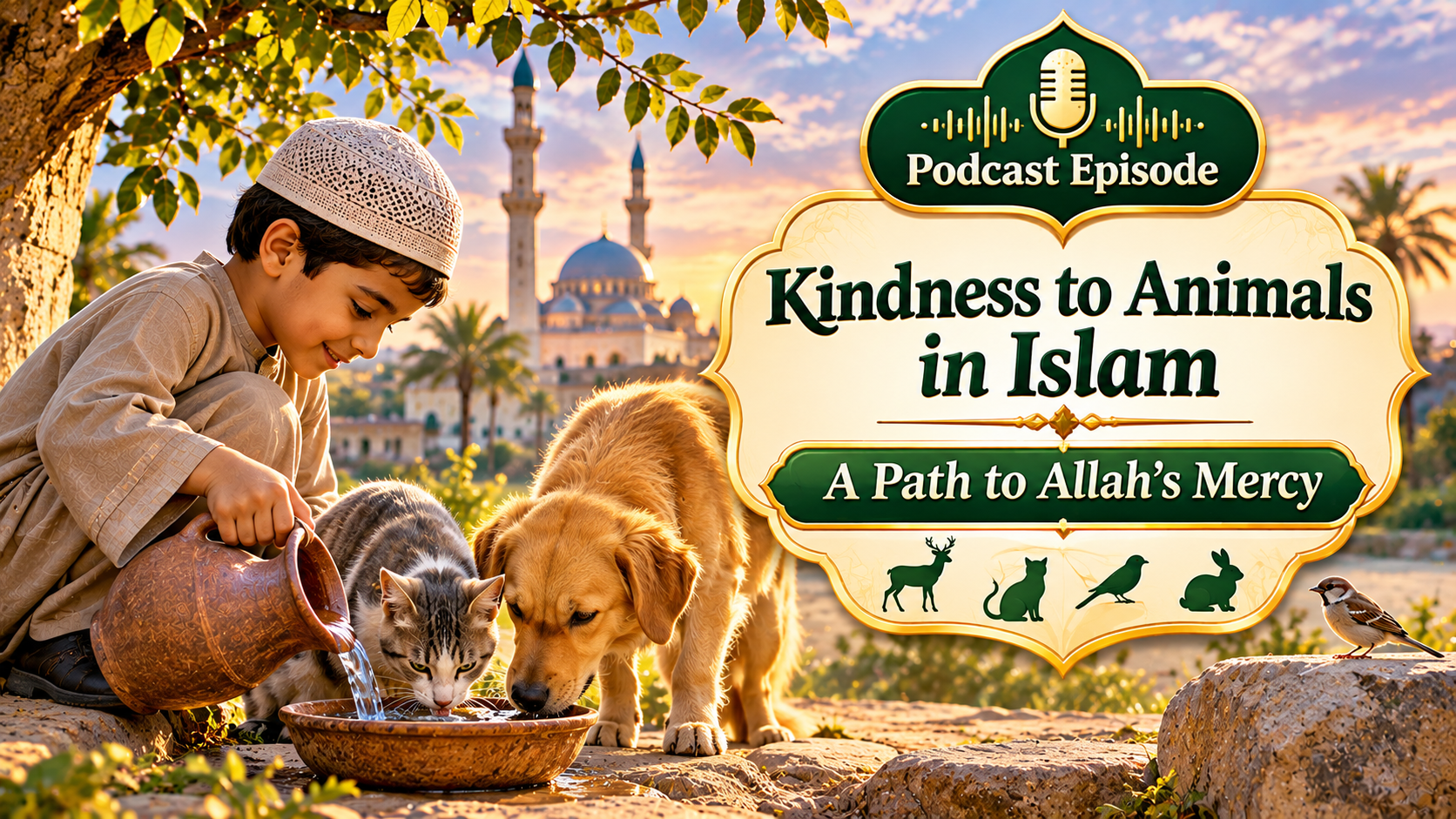
Kindness to Animals in Islam: A Path to Allah’s Mercy
الرفق بالحيوان في الإسلام: طريق إلى رحمة الله
Islam Teaches Us to Be Merciful to All Living Creatures
الإسلام يعلمنا الرحمة بجميع المخلوقات
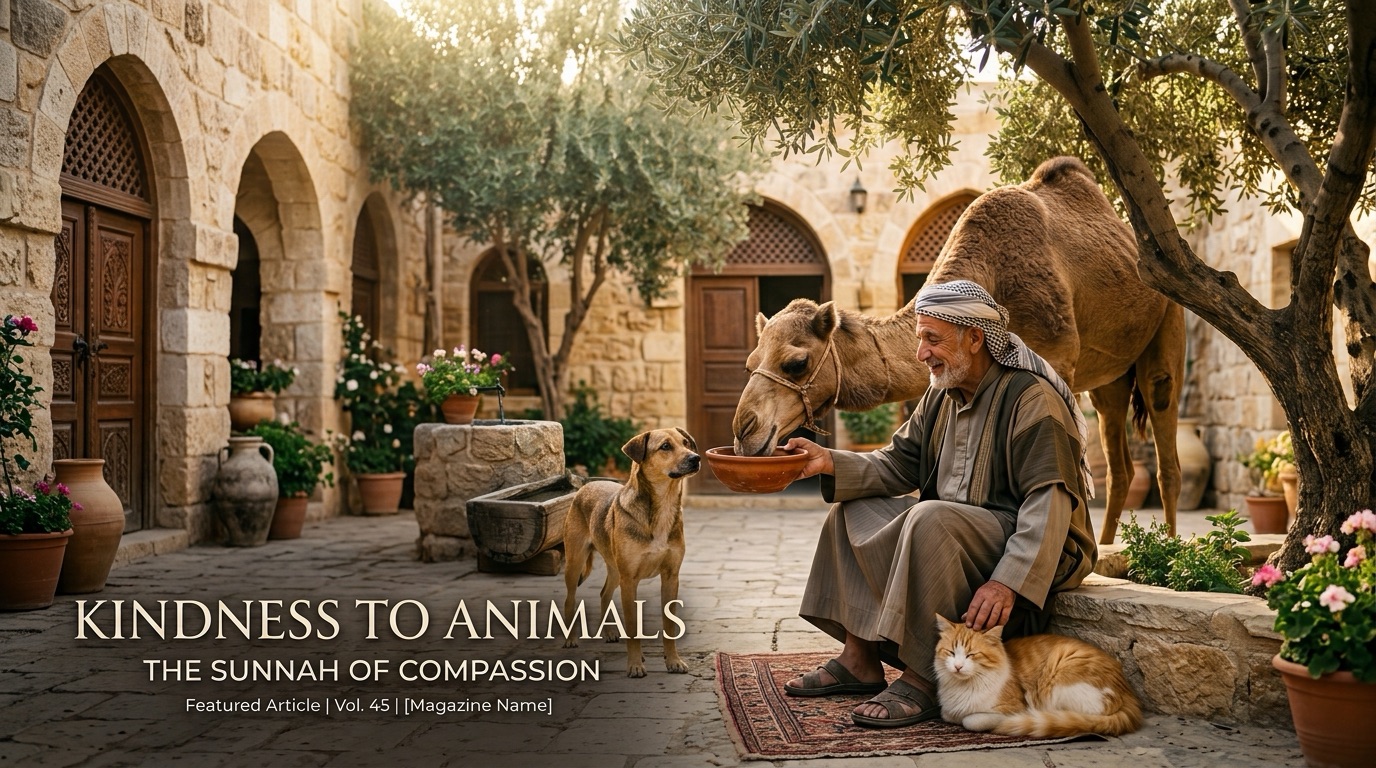
As Muslims, we believe that kindness and mercy are among the most beautiful qualities a person can possess. Our religion teaches us that compassion should not be limited to other human beings. It must extend to animals, birds, and every living creature that Allah has created. Animals may not speak our language, but they experience hunger, thirst, pain, fear, and suffering. They are living creatures entrusted to our care, and Allah will hold us accountable for how we treat them.
نحن المسلمين نؤمن بأن الرحمة والرفق من أجمل الصفات التي يمكن أن يتحلى بها الإنسان. ويعلّمنا ديننا أن الرحمة لا ينبغي أن تقتصر على البشر وحدهم، بل يجب أن تمتد إلى الحيوانات والطيور وكل كائن حي خلقه الله سبحانه وتعالى. فالحيوانات وإن كانت لا تتحدث بلغتنا، فإنها تشعر بالجوع والعطش والألم والخوف والمعاناة. وهي مخلوقات حية استأمننا الله عليها، وسوف يحاسبنا على الطريقة التي نعاملها بها.
In Islam, showing mercy to animals is not simply an act of personal kindness. It is part of our religious responsibility and a reflection of our faith. The Prophet Muhammad, peace and blessings be upon him, taught us that even a small act of kindness toward an animal can bring great rewards from Allah.
وفي الإسلام، لا يُعد الرفق بالحيوان مجرد تصرف إنساني جميل، بل هو جزء من مسؤوليتنا الدينية وانعكاس لإيماننا. وقد علّمنا النبي محمد صلى الله عليه وسلم أن عملًا صغيرًا من أعمال الرحمة تجاه حيوان قد يكون سببًا في الحصول على أجر عظيم من الله سبحانه وتعالى.
Animals Are Communities Like Us
الحيوانات أمم أمثالنا
The Holy Quran reminds us that animals are not meaningless creatures placed on Earth without purpose. They are part of Allah’s creation, and they have their own communities and ways of life. Just as Allah provides for human beings, He also provides for the animals that live on land, fly through the sky, and swim in the oceans.
يذكّرنا القرآن الكريم بأن الحيوانات ليست مخلوقات وُجدت على الأرض بلا هدف أو قيمة، بل هي جزء من خلق الله، ولها أممها وطرق حياتها الخاصة. وكما يرزق الله البشر، فإنه يرزق الحيوانات التي تعيش على اليابسة، والطيور التي تحلق في السماء، والمخلوقات التي تسبح في البحار.
Allah says in the Quran:
“And there is no creature on earth or bird that flies with its wings except that they are communities like you.” (Quran 6:38)
ويقول الله سبحانه وتعالى في القرآن الكريم:
﴿وَمَا مِن دَابَّةٍ فِي الْأَرْضِ وَلَا طَائِرٍ يَطِيرُ بِجَنَاحَيْهِ إِلَّا أُمَمٌ أَمْثَالُكُم﴾ (سورة الأنعام: 38).
When we reflect on this verse, we understand that animals deserve our consideration and mercy. Their lives matter because they are creations of the same Lord who created us.
وعندما نتأمل هذه الآية، ندرك أن الحيوانات تستحق منا الاهتمام والرحمة. فحياتها لها قيمة لأنها من خلق الله سبحانه وتعالى، الذي خلقنا وخلقها.
The Woman Who Was Punished Because of a Cat
المرأة التي عُذبت بسبب قطة
One of the most powerful stories our Prophet Muhammad taught us concerns a woman who mistreated a cat. According to an authentic Hadith narrated in Sahih al-Bukhari and Sahih Muslim, a woman imprisoned a cat and refused to give it food or water. She also prevented the cat from leaving to search for its own food. Eventually, the helpless animal died from hunger.
من أعظم القصص التي علّمنا إياها النبي محمد صلى الله عليه وسلم قصة امرأة أساءت معاملة قطة. فقد ورد في حديث صحيح رواه البخاري ومسلم أن امرأة حبست قطة، فلم تطعمها ولم تسقها، كما لم تسمح لها بالخروج لتبحث عن طعامها بنفسها. وظلت القطة المسكينة حبيسة حتى ماتت من الجوع.
The Prophet Muhammad, peace be upon him, told us that this woman was punished because of her cruelty to the cat. She was not punished because she failed to perform an extraordinary act of worship, but because she deliberately caused suffering to a helpless creature that depended on her.
وقد أخبرنا النبي محمد صلى الله عليه وسلم أن هذه المرأة عُذبت بسبب قسوتها على القطة. ولم يكن سبب عذابها أنها تركت عملًا استثنائيًا من أعمال العبادة، بل لأنها تسببت عمدًا في معاناة مخلوق ضعيف كان تحت سيطرتها ولا يستطيع إنقاذ نفسه.
The Prophet said:
“A woman entered the Fire because of a cat which she had tied up, neither giving it food nor setting it free to eat from the vermin of the earth.” (Sahih al-Bukhari and Sahih Muslim)
وقال رسول الله صلى الله عليه وسلم:
«عُذِّبَتِ امْرَأَةٌ فِي هِرَّةٍ سَجَنَتْهَا حَتَّى مَاتَتْ، فَدَخَلَتْ فِيهَا النَّارَ، لَا هِيَ أَطْعَمَتْهَا وَسَقَتْهَا إِذْ حَبَسَتْهَا، وَلَا هِيَ تَرَكَتْهَا تَأْكُلُ مِنْ خَشَاشِ الْأَرْضِ». (رواه البخاري ومسلم).

As Muslims, this story teaches us an unforgettable lesson: cruelty toward animals is a serious matter in the sight of Allah. A small and defenseless creature has rights that we must respect. If we choose to keep an animal in our home, we become responsible for its food, water, safety, and well-being.
ونحن المسلمين نتعلم من هذه القصة درسًا لا يُنسى، وهو أن القسوة على الحيوانات أمر عظيم عند الله سبحانه وتعالى. فحتى المخلوق الصغير الضعيف له حقوق يجب علينا احترامها. وإذا قررنا تربية حيوان في منزلنا، فإننا نصبح مسؤولين عن طعامه وشرابه وسلامته ورعايته.
The Man Who Was Forgiven for Giving Water to a Dog
الرجل الذي غفر الله له لأنه سقى كلبًا
Another beautiful story from the teachings of Prophet Muhammad shows us the other side of Allah’s mercy. In an authentic Hadith, the Prophet told us about a man who was traveling and became extremely thirsty. He found a well, climbed down into it, drank some water, and came back out.
وهناك قصة أخرى جميلة من تعاليم النبي محمد صلى الله عليه وسلم تُظهر لنا جانبًا آخر من رحمة الله. فقد أخبرنا النبي في حديث صحيح عن رجل كان يسير في طريق، واشتد به العطش. فوجد بئرًا، فنزل إليها وشرب منها حتى ارتوى، ثم خرج منها.
When the man came out, he saw a dog panting and licking the moist earth because of its extreme thirst. The man realized that the dog was suffering from the same thirst he had just experienced. He felt compassion for the animal and decided to help it.
وعندما خرج الرجل من البئر، رأى كلبًا يلهث من شدة العطش، ويأكل الثرى الرطب بحثًا عن الماء. فأدرك الرجل أن هذا الكلب يعاني من العطش نفسه الذي كان يعاني منه قبل قليل. فتحركت الرحمة في قلبه، وقرر أن يساعد هذا الحيوان الضعيف.
The man climbed back down into the well, filled his shoe with water, held it in his mouth as he climbed out, and gave the thirsty dog a drink. It was a simple act of kindness, performed without expecting any reward from another human being. Yet Allah appreciated his compassion and forgave his sins.
فنزل الرجل مرة أخرى إلى البئر، وملأ خفّه بالماء، وأمسكه بفمه أثناء صعوده، ثم سقى الكلب العطشان. لقد كان عملًا بسيطًا من أعمال الرحمة، لم ينتظر الرجل مقابله شكرًا أو مكافأة من أحد. لكن الله سبحانه وتعالى شكر له رحمته وغفر له ذنوبه.
The Prophet Muhammad, peace be upon him, told us that Allah forgave the man because of this act of kindness. When his companions asked whether they would receive rewards for helping animals, the Prophet replied:
“There is a reward for serving every living being.” (Sahih al-Bukhari and Sahih Muslim)
وقد أخبرنا النبي محمد صلى الله عليه وسلم أن الله غفر لهذا الرجل بسبب رحمته بالكلب. وعندما سأله الصحابة عما إذا كان لهم أجر في الإحسان إلى الحيوانات، أجابهم بقوله:
«فِي كُلِّ كَبِدٍ رَطْبَةٍ أَجْرٌ». (رواه البخاري ومسلم).

This story fills our hearts with hope. It reminds us that Allah sees even the smallest acts of goodness. Giving water to a thirsty animal may seem insignificant to some people, but in the sight of Allah, sincere mercy can carry an extraordinary reward.
وتملأ هذه القصة قلوبنا بالأمل، وتذكّرنا بأن الله يرى حتى أصغر أعمال الخير. فقد يبدو تقديم الماء لحيوان عطشان أمرًا بسيطًا في نظر بعض الناس، لكنه عند الله قد يكون عملًا عظيمًا يستحق أجرًا كبيرًا إذا صدر عن قلب صادق رحيم.
A Woman Was Also Forgiven for Giving Water to a Dog
امرأة غفر الله لها أيضًا لأنها سقت كلبًا
Our Prophet Muhammad also told us another remarkable story about a woman who showed mercy to a thirsty dog. According to an authentic Hadith, a woman who had committed serious sins saw a dog suffering from extreme thirst near a well. She removed her shoe, filled it with water, and gave the dog something to drink.
وقد أخبرنا النبي محمد صلى الله عليه وسلم أيضًا بقصة عظيمة عن امرأة رحمت كلبًا عطشانًا. فقد ورد في حديث صحيح أن امرأة كانت قد ارتكبت ذنوبًا عظيمة رأت كلبًا يعاني من شدة العطش بالقرب من بئر. فخلعت خفّها، وملأته بالماء، وسقت الكلب حتى ارتوى.
The Prophet told us that Allah forgave her because of this compassionate act. Her story teaches us that no person should lose hope in Allah’s mercy and that a sincere act of kindness can have a tremendous value.
وقد أخبرنا النبي صلى الله عليه وسلم أن الله غفر لهذه المرأة بسبب هذا العمل الرحيم. وتعلّمنا قصتها ألا يفقد الإنسان الأمل في رحمة الله مهما كانت ذنوبه، وأن عملًا صادقًا من أعمال الرحمة قد تكون له قيمة عظيمة عند الله سبحانه وتعالى.
These stories remind us that Allah does not judge people merely by their appearance, wealth, or social position. He knows what is in their hearts, and He rewards sincere goodness in ways that we may never imagine.
وتذكّرنا هذه القصص بأن الله لا يحكم على الناس بمظاهرهم أو أموالهم أو مكانتهم الاجتماعية، بل يعلم ما في قلوبهم، ويجزي الإحسان الصادق بطرق قد لا يتخيلها الإنسان.
We Must Never Harm Animals for Entertainment
لا يجوز لنا إيذاء الحيوانات من أجل التسلية
As Muslims, we are taught that animals must never be tortured, abused, or harmed merely for entertainment. Our Prophet Muhammad condemned cruelty toward animals and prohibited using living creatures as targets for shooting or other forms of amusement. Taking pleasure in the suffering of a defenseless animal contradicts the mercy that Islam teaches us.
نحن المسلمين نتعلم أن تعذيب الحيوانات أو الإساءة إليها أو إيذاءها لمجرد التسلية أمر محرّم. وقد نهى النبي محمد صلى الله عليه وسلم عن القسوة على الحيوانات، وعن اتخاذ المخلوقات الحية أهدافًا للرمي أو غيره من وسائل اللهو. فالاستمتاع بمعاناة حيوان ضعيف يتعارض مع الرحمة التي يعلّمنا إياها الإسلام.
Islam also teaches us to avoid causing unnecessary suffering when dealing with animals for legitimate purposes, including obtaining food. The Prophet instructed Muslims to act with excellence and mercy even when slaughtering animals, using proper methods and avoiding unnecessary pain.
كما يعلّمنا الإسلام تجنب التسبب في معاناة غير ضرورية للحيوانات عند التعامل معها لأغراض مشروعة، ومنها الحصول على الطعام. فقد أمرنا النبي صلى الله عليه وسلم بالإحسان والرحمة حتى عند ذبح الحيوانات، وذلك باستخدام الطرق الصحيحة وتجنب تعذيبها أو إيلامها دون ضرورة.
The Prophet Muhammad said:
“Indeed, Allah has prescribed excellence in everything.” (Sahih Muslim)
وقال رسول الله صلى الله عليه وسلم:
«إِنَّ اللَّهَ كَتَبَ الْإِحْسَانَ عَلَى كُلِّ شَيْءٍ». (رواه مسلم).
For us, this teaching means that mercy is not something we practice only when it is convenient. It is a principle that should guide our behavior in every situation.
وبالنسبة لنا، فإن هذا التعليم يعني أن الرحمة ليست شيئًا نمارسه فقط عندما يكون الأمر سهلًا، بل هي مبدأ يجب أن يوجّه سلوكنا في جميع المواقف.
Feeding Birds and Stray Animals Is an Act of Charity
إطعام الطيور والحيوانات الضالة من أعمال الصدقة

In Islam, charity is not limited to giving money to people in need. Providing food or water to hungry animals and birds can also be an act of charity. When we place water outside for thirsty birds during hot weather, feed a hungry stray cat, or help an injured animal, we are practicing the mercy that our religion encourages.
في الإسلام، لا تقتصر الصدقة على تقديم المال للمحتاجين من البشر، بل إن تقديم الطعام أو الماء للحيوانات والطيور الجائعة قد يكون أيضًا من أعمال الصدقة. فعندما نضع الماء للطيور العطشانة في الأيام الحارة، أو نطعم قطة ضالة جائعة، أو نساعد حيوانًا مصابًا، فإننا نمارس الرحمة التي يحثنا عليها ديننا.
The Prophet Muhammad taught us that when a Muslim plants a tree or grows crops, and a bird, person, or animal eats from them, it is counted as charity for that Muslim. This beautiful teaching connects our responsibility toward animals with our responsibility toward the environment.
وقد علّمنا النبي محمد صلى الله عليه وسلم أن المسلم إذا غرس شجرة أو زرع زرعًا، فأكل منه طير أو إنسان أو حيوان، كان له بذلك أجر الصدقة. ويربط هذا التعليم الجميل بين مسؤوليتنا تجاه الحيوانات ومسؤوليتنا تجاه البيئة والطبيعة من حولنا.
Teaching Our Children to Love Animals
تعليم أطفالنا محبة الحيوانات
As Muslim parents, we have a responsibility to teach our children that animals are living creatures deserving of kindness and respect. We should encourage our children to be gentle with cats, dogs, birds, and other animals. We must explain to them that frightening an animal, hurting it, or leaving it without food and water is not acceptable behavior.
وبصفتنا آباء وأمهات مسلمين، تقع على عاتقنا مسؤولية تعليم أطفالنا أن الحيوانات مخلوقات حية تستحق الرحمة والاحترام. وينبغي أن نشجع أطفالنا على الرفق بالقطط والكلاب والطيور وغيرها من الحيوانات. كما يجب أن نشرح لهم أن تخويف الحيوان أو إيذاءه أو تركه دون طعام أو ماء ليس سلوكًا مقبولًا.
When our children see us helping an injured bird, providing water to a thirsty dog, or caring for a hungry cat, they learn that kindness is not merely something we talk about. It is something we practice in our daily lives.
وعندما يرى أطفالنا أننا نساعد طائرًا مصابًا، أو نقدم الماء لكلب عطشان، أو نعتني بقطة جائعة، فإنهم يتعلمون أن الرحمة ليست مجرد كلمات نتحدث عنها، بل هي أفعال نمارسها في حياتنا اليومية.
Mercy Toward Animals Reflects the Beauty of Islam
الرحمة بالحيوان تعكس جمال الإسلام
As Muslims, we believe that our faith should make us more compassionate, not only toward people but toward every living creature. The stories of the woman punished for imprisoning a cat and the people forgiven for giving water to thirsty dogs teach us that our treatment of animals matters greatly to Allah.
نحن المسلمين نؤمن بأن ديننا يجب أن يجعلنا أكثر رحمة، ليس تجاه البشر فقط، بل تجاه كل كائن حي. وتعلّمنا قصة المرأة التي عُذبت بسبب حبس قطة، وقصص الذين غفر الله لهم بسبب سقي الكلاب العطشانة، أن معاملتنا للحيوانات لها أهمية عظيمة عند الله سبحانه وتعالى.
These stories also teach us that mercy and cruelty can have consequences far greater than we imagine. A person may consider an animal too small or unimportant to deserve attention, but Allah does not overlook the suffering of His creatures. Likewise, a simple act of compassion may become a reason for receiving His forgiveness.
وتعلّمنا هذه القصص أيضًا أن الرحمة والقسوة قد تكون لهما عواقب أكبر بكثير مما نتخيل. فقد يظن الإنسان أن حيوانًا صغيرًا لا يستحق الاهتمام، لكن الله لا يغفل عن معاناة مخلوقاته. وفي المقابل، قد يكون عمل بسيط من أعمال الرحمة سببًا في نيل مغفرته سبحانه وتعالى.
Our Faith Calls Us to Be a Source of Mercy
إيماننا يدعونا إلى أن نكون مصدرًا للرحمة
We should never underestimate the value of a kind action. A bowl of water placed outside on a hot summer day, a meal given to a hungry animal, or a gentle hand helping a frightened creature may seem like small things. But in Islam, no sincere act of goodness is insignificant in the sight of Allah.
يجب ألا نستهين أبدًا بقيمة أي عمل من أعمال الرحمة. فقد يبدو وضع إناء ماء خارج المنزل في يوم صيفي حار، أو تقديم وجبة لحيوان جائع، أو مد يد العون لمخلوق خائف، أمرًا بسيطًا. لكن في الإسلام، لا يوجد عمل خير صادق يُعد صغيرًا أو بلا قيمة عند الله سبحانه وتعالى.
We do not know which act of kindness may become a reason for Allah’s mercy and forgiveness. That is why we should strive to be compassionate whenever we have the opportunity, remembering that every animal is a creation of Allah and deserves to be treated with care.
فنحن لا نعلم أي عمل من أعمال الخير قد يكون سببًا في رحمة الله ومغفرته. ولذلك ينبغي أن نجتهد في إظهار الرحمة كلما سنحت لنا الفرصة، وأن نتذكر دائمًا أن كل حيوان هو مخلوق من مخلوقات الله، يستحق الرعاية والرفق.
As Muslims, we believe that kindness to animals is not a small part of our religion. It is a beautiful expression of our faith. Let us be merciful to Allah’s creatures, hoping that the Most Merciful will shower us with His mercy.
نحن المسلمين نؤمن بأن الرفق بالحيوان ليس أمرًا هامشيًا في ديننا، بل هو تعبير جميل عن إيماننا. فلنرحم مخلوقات الله، راجين أن يشملنا الرحمن الرحيم برحمته الواسعة.
Reference:
- Quran 6:38: Animals and birds are communities like human beings.
- Sahih al-Bukhari 3318: The woman punished for imprisoning a cat.
- Sahih al-Bukhari 2363: The man forgiven for giving water to a thirsty dog.
- Sahih al-Bukhari 3321: The woman forgiven for giving water to a thirsty dog.
- Sahih Muslim 1955: Allah has prescribed excellence in everything, including the humane treatment of animals.
- Sahih al-Bukhari 2320: Planting trees and crops that feed people or animals is considered charity.


Leave a Reply